





Electric vehicles are no longer a glimpse into the future they are rapidly becoming a practical choice for homeowners, commuters, and businesses throughout Tolland, Connecticut. As more drivers switch to electric transportation, one question naturally follows:
Where should you charge your EV?
While public charging stations continue to expand across Connecticut, nothing compares to the convenience, reliability, and long-term savings of having a charger installed at your home or business. Imagine waking up every morning with a fully charged vehicle instead of planning your day around public charging stations.
However, EV charger installation involves much more than simply mounting equipment on a wall. Your home’s electrical system must be evaluated, local codes must be followed, permits may be required, and the installation must be completed safely by licensed electricians.
That’s where CODAN Electric LLC comes in.
Serving homeowners and businesses throughout Tolland, CT, CODAN Electric specializes in professional EV charger installations that are safe, efficient, code-compliant, and built to support today’s electric vehicles while preparing properties for tomorrow’s technology.
In this comprehensive guide, you’ll learn everything you need to know before installing an EV charger from understanding charger types to choosing the right equipment, estimating costs, preparing your electrical system, and avoiding common installation mistakes.
Why More Homeowners in Tolland Are Installing EV Chargers
The popularity of electric vehicles has grown dramatically over the past few years. Whether it’s lower fuel costs, environmental benefits, government incentives, or improved vehicle performance, more Connecticut residents are making the transition to electric driving.
But owning an EV becomes truly convenient only when charging is convenient.
Depending solely on public charging stations can create unnecessary challenges, including:
- Waiting in line for available chargers
- Driving out of your way to recharge
- Paying higher public charging rates
- Unpredictable charger availability
- Longer charging times during busy hours
A professionally installed home charging station eliminates these issues entirely.
Instead of planning your schedule around charging, your vehicle charges while you sleep.
For many homeowners, this becomes one of the biggest advantages of owning an electric vehicle.
The Benefits of Installing an EV Charger at Home
Charge Overnight
The greatest convenience is simple.
Plug your vehicle in during the evening and wake up to a fully charged battery every morning.
There’s no waiting, no scheduling, and no unexpected trips to public charging stations.
Save Money Over Time
Charging your vehicle at home is generally more affordable than relying exclusively on commercial charging stations.
Many utility companies also offer time-of-use programs that allow homeowners to charge during off-peak hours when electricity rates are lower.
Over the lifespan of your vehicle, these savings can become substantial.
Protect Your Vehicle Battery
Consistent home charging creates predictable charging habits.
Rather than frequently relying on rapid public chargers, homeowners often use slower, healthier charging cycles that may contribute to improved long-term battery performance.
Increase Property Value
As electric vehicles become increasingly common, homes equipped with dedicated EV charging stations are becoming more attractive to potential buyers.
An installed charging station can serve as a valuable selling feature for future homeowners.
Enjoy Greater Convenience
Perhaps the biggest benefit is eliminating one recurring errand from your life.
Instead of visiting gas stations or public charging locations every week, charging simply becomes part of your nightly routine.
Understanding EV Charger Levels
Not all chargers are created equal.
Before scheduling installation, it’s important to understand the different charging levels available.
Level 1 Charging
Level 1 charging uses a standard 120-volt household outlet.
Most electric vehicles include a Level 1 charging cable from the manufacturer.
Advantages
- No installation required
- Lowest upfront cost
- Convenient for emergency charging
- Works with standard household outlets
Disadvantages
- Extremely slow charging
- Typically adds only 3–5 miles of driving range per hour
- Not ideal for daily commuters
- Longer charging sessions
For homeowners who drive only short distances each day, Level 1 charging may be sufficient.
However, most EV owners quickly outgrow its limitations.
Level 2 Charging
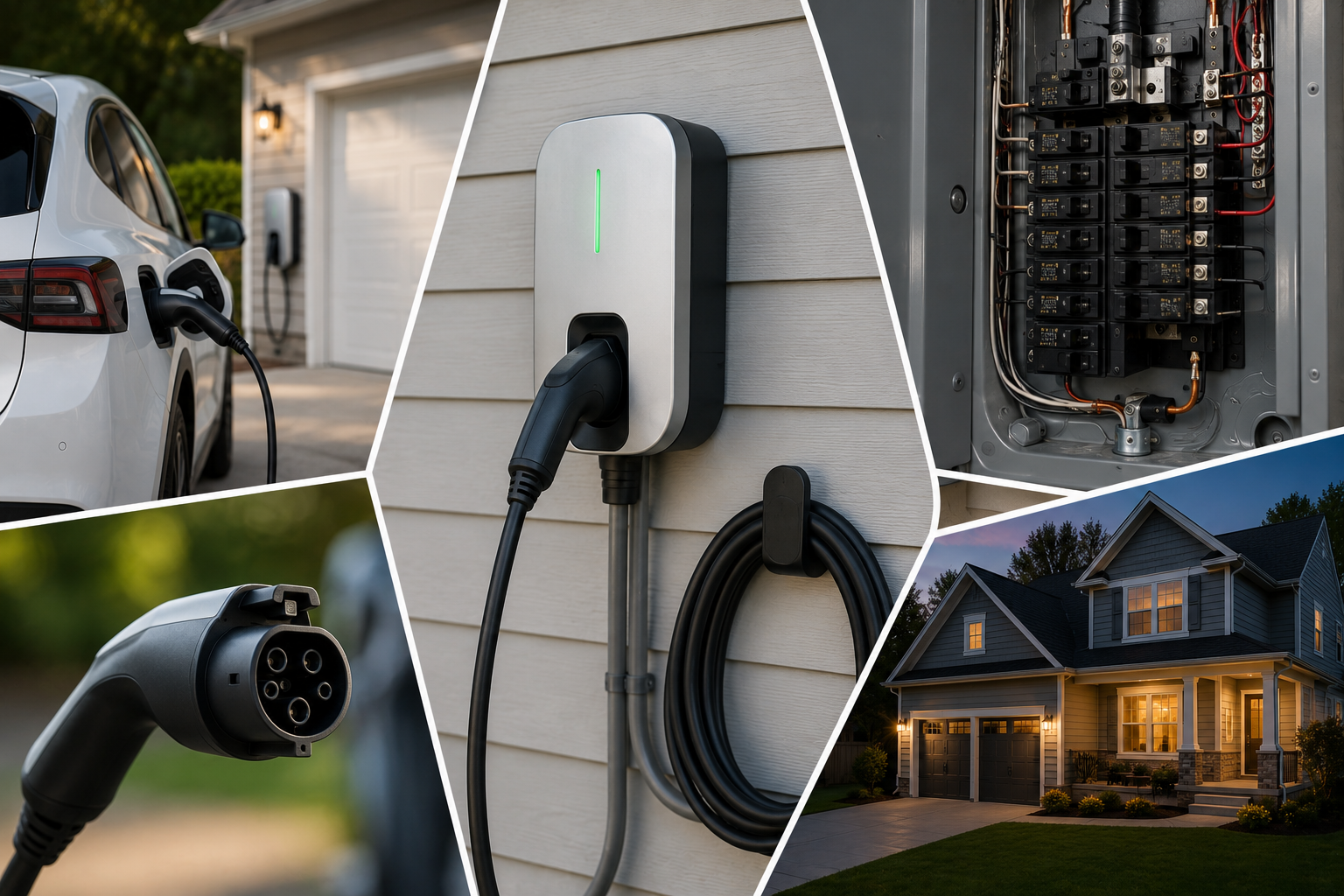
Level 2 charging is the most popular option for residential installations.
It operates using a dedicated 240-volt circuit similar to those used for electric dryers or ovens.
A professionally installed Level 2 charger typically provides:
- Faster charging speeds
- Improved efficiency
- Greater convenience
- Reliable daily charging
- Better compatibility with modern electric vehicles
Most homeowners in Tolland choose Level 2 chargers because they can often fully recharge a vehicle overnight.
Level 3 Charging (DC Fast Charging)
Level 3 chargers are commercial-grade systems found at:
- Highway rest stops
- Shopping centers
- Commercial charging stations
- Fleet facilities
These chargers deliver extremely rapid charging but require industrial electrical infrastructure that is not suitable for residential properties.
For nearly every homeowner, Level 2 charging offers the perfect balance between speed and affordability.
Choosing the Right EV Charger
Every homeowner has different charging needs.
Choosing the right charger depends on several important factors.
Vehicle Compatibility
Most modern electric vehicles support Level 2 charging.
Whether you drive a compact electric sedan, SUV, crossover, or pickup truck, your electrician can recommend equipment compatible with your vehicle’s charging connector and power requirements.
Charging Speed
Different chargers provide different amperage ratings, including:
- 32 amps
- 40 amps
- 48 amps
- 50 amps
- 60 amps
Higher amperage generally results in faster charging, provided your vehicle supports it.
However, installing the highest available amperage isn’t always necessary.
The best charger is one that matches both your vehicle and your home’s electrical capacity.
Smart Charging Features
Many modern chargers now include intelligent technology such as:
- Wi-Fi connectivity
- Mobile app controls
- Charging schedules
- Energy monitoring
- Utility rate optimization
- Remote start and stop
- Usage history
- Automatic software updates
These features can improve convenience while helping homeowners reduce electricity costs.
Indoor vs. Outdoor Installation
Many homeowners install chargers inside garages.
Others require outdoor installations near driveways or parking areas.
Outdoor installations require weather-resistant equipment designed to withstand Connecticut’s changing seasons, including:
- Snow
- Rain
- Ice
- Heat
- Humidity
- Freezing temperatures
Professional electricians ensure the equipment selected is rated appropriately for its installation location.
Does Your Home Need an Electrical Panel Upgrade?
One of the most important parts of any EV charger installation is evaluating your home’s electrical system.
Not every electrical panel has enough available capacity to support a new high-powered charging circuit.
Before installation, licensed electricians perform a comprehensive load calculation to determine:
- Existing electrical demand
- Available breaker space
- Panel capacity
- Future electrical needs
- Safety compliance
- Circuit sizing requirements
If additional capacity is needed, recommendations may include:
- Electrical panel upgrades
- Service upgrades
- Dedicated circuits
- Load management systems
Skipping this evaluation can lead to overloaded circuits, nuisance breaker trips, overheating, and serious electrical hazards.
Professional assessment ensures your charging station operates safely without affecting the rest of your home’s electrical system.
Why Professional Installation Matters
Some homeowners assume installing an EV charger is similar to replacing a standard outlet.
In reality, EV charging systems place continuous, high electrical demands on your home’s wiring.
Improper installation can create serious problems, including:
- Electrical fires
- Damaged equipment
- Overloaded circuits
- Failed inspections
- Code violations
- Warranty issues
- Expensive future repairs
Professional electricians understand every aspect of safe installation, including:
- Proper wire sizing
- Breaker selection
- Grounding requirements
- Electrical load calculations
- NEC compliance
- Manufacturer specifications
- Permit requirements
Choosing experienced professionals ensures your investment is protected from day one.
The EV Charger Installation Process: What to Expect
Many homeowners assume installing an EV charger is a quick, one-size-fits-all project. In reality, every property has unique electrical requirements that influence the installation process. Understanding what happens during a professional installation can help you prepare and ensure everything goes smoothly.
At CODAN Electric LLC, every installation begins with a detailed evaluation rather than jumping straight into the work. This careful approach ensures your charging station is installed safely, efficiently, and in full compliance with local and national electrical codes.
A typical EV charger installation includes several key steps.
Step 1: Initial Consultation
Every successful installation starts with understanding your specific needs.
Your electrician will discuss factors such as:
- The make and model of your electric vehicle
- Your average daily driving distance
- Whether you own or plan to purchase multiple EVs
- Preferred charger location
- Indoor or outdoor installation
- Desired charging speed
- Future expansion plans
Planning ahead helps ensure your charging system continues meeting your needs for years to come.
Step 2: Electrical System Inspection
Next, your home’s electrical system is carefully evaluated.
During this inspection, electricians assess:
- Main electrical panel capacity
- Available breaker space
- Existing electrical load
- Wiring condition
- Grounding system
- Service entrance capacity
- Distance between panel and charger location
This evaluation determines whether your existing electrical infrastructure can safely support a dedicated EV charging circuit.
Step 3: Selecting the Right Equipment
Not every charger is ideal for every homeowner.
Based on your inspection and charging habits, your electrician may recommend equipment that balances:
- Performance
- Safety
- Reliability
- Smart features
- Budget
- Long-term flexibility
choosing the right charger now can prevent unnecessary upgrades later.
Step 4: Permit Requirements
Depending on local regulations, permits may be required before installation begins.
Professional electricians understand local permitting requirements and help ensure the installation complies with:
- National Electrical Code (NEC)
- Connecticut electrical regulations
- Municipal inspection requirements
- Utility company standards
Proper permitting protects homeowners by ensuring installations meet recognized safety standards.
Step 5: Installing the Dedicated Circuit
One of the most important parts of the installation is creating a dedicated electrical circuit.
This typically involves:
- Installing a new circuit breaker
- Running appropriately sized wiring
- Installing conduit where necessary
- Connecting the charger
- Proper grounding
- Electrical testing
Because EV chargers draw significant power for extended periods, dedicated circuits are essential for safe operation.
Step 6: Final Testing and Inspection
Before the installation is complete, electricians thoroughly test the system.
Testing includes verifying:
- Proper voltage
- Safe grounding
- Breaker performance
- Charger communication
- Charging functionality
- Overall system safety
Only after confirming everything operates correctly is the charger ready for everyday use.
Indoor vs. Outdoor EV Charger Installation
One common question homeowners ask is where their charger should be installed.
The answer depends on your home’s layout, parking situation, and daily routine.
Both indoor and outdoor installations can provide excellent performance when completed correctly.
Garage Installation
Installing your charger inside the garage offers several advantages.
Benefits include:
- Protection from weather
- Cleaner installation appearance
- Reduced exposure to snow and ice
- Easier cable management
- Longer equipment lifespan
- Increased convenience
Garage installations are among the most popular choices for homeowners with attached or detached garages.
Outdoor Installation
Many homes do not have garages, making outdoor installation the ideal solution.
Modern outdoor EV chargers are specifically designed to withstand:
- Heavy rain
- Snow accumulation
- Ice
- UV exposure
- Humidity
- Temperature fluctuations
Professional electricians use weather-rated equipment and proper mounting techniques to ensure reliable year-round performance.
Common Installation Challenges
Every property is unique.
Some homes require little more than a dedicated circuit, while others may need additional electrical work.
Common challenges include:
Limited Electrical Panel Capacity
Older homes may have electrical panels that were never designed to support high-powered EV charging equipment.
Panel upgrades may be necessary to safely accommodate the additional electrical demand.
Long Wiring Runs
If the preferred charger location is far from the electrical panel, additional wiring and conduit may be required.
Professional planning helps minimize installation complexity while maintaining safety and aesthetics.
Outdoor Exposure
Outdoor installations require weatherproof components and careful consideration of drainage, snow accumulation, and accessibility.
Proper placement protects both the charger and the user.
Older Electrical Systems
Some older homes contain outdated wiring that should be upgraded before installing modern charging equipment.
Updating aging electrical components improves both safety and reliability.
Safety Considerations Every Homeowner Should Know
Electric vehicle chargers operate continuously for extended periods and draw significantly more electricity than many common household appliances.
That makes safety a top priority.
Professional installation helps prevent risks such as:
- Overheated wiring
- Circuit overloads
- Electrical fires
- Equipment damage
- Shock hazards
- Premature component failure
Licensed electricians follow established safety standards throughout every stage of installation.
Proper Wire Sizing Matters
Using undersized wiring is one of the most dangerous mistakes during EV charger installation.
Wires that cannot safely handle continuous electrical loads may overheat over time.
Professional electricians calculate wire size based on:
- Charger amperage
- Circuit length
- Voltage drop
- Electrical code requirements
- Future expansion potential
Correct wire sizing ensures efficient operation and long-term safety.
Dedicated Breakers Are Essential
Your EV charger should never share a circuit with other major household appliances.
Dedicated breakers help:
- Prevent nuisance breaker trips
- Reduce overload risks
- Improve charging reliability
- Simplify troubleshooting
- Protect connected equipment
This dedicated design allows the charger to operate consistently without affecting other electrical systems in your home.
Ground Fault Protection
Modern EV chargers incorporate important safety technologies that help protect users from electrical hazards.
These may include:
- Ground fault protection
- Automatic shutoff systems
- Temperature monitoring
- Fault detection
- Surge protection compatibility
Professional installation ensures these safety features function as intended.
Understanding Charging Times
One of the biggest advantages of upgrading to a Level 2 charger is dramatically faster charging.
Several factors influence charging time, including:
- Vehicle battery size
- Charger power output
- Battery state of charge
- Vehicle charging capability
- Ambient temperature
For many drivers, overnight charging is more than sufficient to meet daily commuting needs.
Instead of waiting hours at a public station, homeowners simply plug in after returning home and begin each morning with a ready-to-drive vehicle.
Preparing Your Home for the Future
Electric vehicles continue to evolve, and household energy demands are increasing alongside them.
Many homeowners are planning not just for one EV, but for future additions such as:
- A second electric vehicle
- Solar energy systems
- Home battery storage
- Smart home technology
- Heat pumps
- Electric water heaters
- Induction cooking appliances
When installing an EV charger, it’s worth considering these future upgrades.
Planning ahead may reduce the need for additional electrical work later and make future expansions more straightforward.
An experienced electrician can recommend solutions that support both your current needs and your long-term goals.
Why Hiring a Licensed Electrician Is Essential
Installing an EV charger is not a typical DIY home improvement project. Unlike replacing a light fixture or installing a standard outlet, EV chargers require specialized electrical knowledge, careful load calculations, and strict adherence to safety regulations.
Attempting to install an EV charger without the proper training can put your home, your vehicle, and your family at risk.
When you hire a licensed electrician like CODAN Electric LLC, you’re investing in more than just the installation itself. You’re ensuring the entire system is designed, installed, and tested for long-term safety and performance.
Professional electricians bring expertise in:
- Residential electrical systems
- Electrical load calculations
- National Electrical Code (NEC) compliance
- Connecticut electrical regulations
- Dedicated circuit installation
- Panel upgrades
- Surge protection
- Troubleshooting and diagnostics
Their experience helps eliminate costly mistakes while ensuring your EV charger performs exactly as intended.
Why Code Compliance Matters
Electrical codes exist for one primary reason safety.
EV chargers place a continuous electrical load on your home’s wiring, making proper installation critical.
Professional electricians ensure every aspect of the installation complies with current electrical standards, including:
- Proper circuit sizing
- Breaker selection
- Grounding requirements
- Conductor sizing
- GFCI protection where required
- Equipment mounting standards
- Weatherproof installation practices
- Safe cable routing
Code-compliant installations also make future home inspections, renovations, and property sales much easier.
Protecting Your Investment
An electric vehicle is one of the largest purchases many homeowners make.
Your charging equipment deserves the same level of protection.
Poor installation can lead to:
- Charger damage
- Reduced charging efficiency
- Frequent breaker trips
- Overheating
- Premature equipment failure
- Expensive repair costs
Professional installation helps maximize the lifespan of both your charging station and your home’s electrical system.
Can Your Existing Electrical Panel Handle an EV Charger?
One of the most common questions homeowners ask is:
“Will my current electrical panel support an EV charger?”
The answer depends on several factors.
Modern homes often have sufficient electrical capacity, but older homes may require upgrades before safely adding a high-powered charging circuit.
Your electrician will evaluate:
- Main service size
- Panel age
- Available breaker spaces
- Existing electrical demand
- Future electrical needs
- Overall system condition
Rather than making assumptions, a professional assessment provides accurate answers and helps determine the safest path forward.
Signs Your Electrical Panel May Need an Upgrade
During an inspection, electricians may identify signs that indicate your panel should be upgraded before installing an EV charger.
These include:
- Frequent breaker trips
- Flickering lights
- Limited breaker space
- Older fuse-based systems
- Rust or corrosion
- Burn marks or overheating
- Panels that no longer meet current electrical demands
An upgraded electrical panel not only supports EV charging but also improves the overall safety and reliability of your home’s electrical system.
Smart EV Chargers vs. Standard Chargers
Today’s EV chargers offer far more than simply supplying electricity.
Many homeowners are choosing smart chargers because they provide greater control, convenience, and energy management.
Standard Chargers
A standard charger focuses on one task charging your vehicle safely and efficiently.
Benefits include:
- Simple operation
- Reliable performance
- Lower upfront cost
- Easy maintenance
For homeowners who want a straightforward charging solution, standard chargers remain an excellent option.
Smart Chargers
Smart chargers incorporate advanced technology that allows homeowners to monitor and control charging remotely.
Popular features include:
- Wi-Fi connectivity
- Smartphone app integration
- Charging schedules
- Energy consumption tracking
- Utility rate optimization
- Remote notifications
- Automatic software updates
- Usage history
These features help homeowners maximize efficiency while reducing electricity costs.
Reducing Energy Costs with Smart Charging
Electricity prices can vary throughout the day depending on utility demand.
Many utility providers offer lower rates during off-peak hours.
Smart chargers allow homeowners to automatically schedule charging during these lower-cost periods.
Benefits include:
- Reduced monthly electricity bills
- Improved energy efficiency
- Automated charging schedules
- Better use of off-peak utility rates
Instead of manually plugging in at the right time each evening, your charger does the work for you.
Installing Multiple EV Chargers
As more households purchase additional electric vehicles, installing multiple chargers is becoming increasingly common.
Professional electricians can design systems that support:
- Two-car households
- Shared charging schedules
- Load balancing
- Future vehicle purchases
- Garage expansions
Planning for future EV ownership now can save significant time and expense later.
EV Charger Maintenance Tips
One of the advantages of modern EV chargers is their relatively low maintenance requirements.
However, a few simple practices can help keep your charging system operating safely for years.
Inspect Charging Cables
Periodically check cables for:
- Cuts
- Cracks
- Fraying
- Loose connectors
- Visible wear
Damaged charging cables should never be used.
Keep Equipment Clean
Dust, dirt, leaves, and debris can accumulate around outdoor charging stations.
Regular cleaning helps maintain proper ventilation and extends equipment life.
Always follow the manufacturer’s cleaning recommendations.
Protect Connectors
Avoid dropping charging connectors onto concrete or exposing them to unnecessary moisture or contaminants.
Store charging cables neatly after each use.
Schedule Electrical Inspections
If you notice:
- Breaker trips
- Charging interruptions
- Unusual heat
- Error messages
- Slower charging speeds
have the system inspected by a licensed electrician promptly.
Early diagnosis can prevent more expensive repairs later.
Why Homeowners Trust CODAN Electric LLC
When it comes to EV charger installation, experience matters.
Homeowners throughout Tolland rely on CODAN Electric LLC because the company combines technical expertise with a commitment to outstanding customer service.
Every installation is approached with careful planning, precision workmanship, and a focus on long-term reliability.
Customers appreciate CODAN Electric because of its:
- Licensed and experienced electricians
- Commitment to electrical safety
- Code-compliant installations
- High-quality workmanship
- Honest recommendations
- Reliable scheduling
- Professional communication
- Attention to detail
Whether you’re installing your first home charging station or upgrading your electrical system to support multiple electric vehicles, CODAN Electric delivers solutions tailored to your property and your needs.
Residential and Commercial EV Charging Solutions
The demand for EV charging isn’t limited to homeowners.
Businesses across Tolland are also recognizing the value of offering charging stations for employees, customers, tenants, and fleet vehicles.
Commercial EV charger installations can benefit:
- Office buildings
- Retail centers
- Restaurants
- Apartment complexes
- Hotels
- Healthcare facilities
- Municipal properties
- Fleet operators
Providing convenient charging options demonstrates a commitment to innovation, sustainability, and customer convenience while helping businesses prepare for the growing number of electric vehicles on the road.
Mistakes to Avoid When Installing an EV Charger
Making informed decisions during installation can help prevent expensive problems later.
Here are some of the most common mistakes homeowners should avoid.
Choosing the Cheapest Installation
Price is important, but it shouldn’t be the only consideration.
Low-cost installations sometimes involve:
- Inferior materials
- Improper wiring
- Inadequate circuit sizing
- Code violations
- Limited workmanship
Quality installation protects your investment and reduces the likelihood of costly repairs in the future.
Ignoring Future Electrical Needs
Many homeowners install a charger based only on their current vehicle.
However, future electrical demands may include:
- A second EV
- Solar panels
- Home battery systems
- Heat pumps
- Smart home upgrades
Planning for future expansion today can help avoid additional electrical work later.
Installing the Wrong Charger
Not every charger is the right fit for every household.
Selecting equipment without considering:
- Daily driving habits
- Vehicle compatibility
- Charging speed
- Electrical capacity
can result in unnecessary expenses or reduced convenience.
A licensed electrician can recommend equipment that best suits your lifestyle and budget.
Skipping Professional Installation
Attempting to install an EV charger without the proper knowledge can create serious safety hazards.
Professional installation ensures:
- Correct wiring
- Safe grounding
- Proper breaker sizing
- Electrical code compliance
- Reliable performance
- Long-term durability
When it comes to high-powered electrical equipment, experience matters.
Final Thoughts
Electric vehicles are changing the way we think about transportation, and having a reliable charging solution at home or work is an important part of that transition. While public charging stations certainly have their place, nothing matches the convenience of plugging in at the end of the day and starting every morning with a fully charged vehicle.
A professionally installed EV charger offers more than faster charging it provides peace of mind. From ensuring your electrical system can safely handle the additional load to selecting the right equipment and completing a code-compliant installation, every step plays a role in protecting your investment.
If you’re considering EV charger installation in Tolland, CT, working with experienced professionals ensures the process is smooth, safe, and built to meet your needs today while preparing your property for tomorrow’s technology.
With expert craftsmanship, dependable service, and a commitment to customer satisfaction, CODAN Electric LLC is proud to help homeowners and businesses embrace the future of electric transportation with confidence.
Frequently Asked Questions About EV Charger Installation
Installing an EV charger is a significant investment, and it’s natural to have questions before getting started. Below are answers to some of the most common questions homeowners and business owners in Tolland ask before scheduling an installation.
How long does it take to install an EV charger?
Most residential EV charger installations can be completed in a single day, depending on your home’s electrical system.
Do I need an electrical panel upgrade for an EV charger?
Not always, but a licensed electrician will evaluate your panel to determine if an upgrade is necessary.
Can an EV charger be installed outdoors?
Yes, weather-rated EV chargers are designed for safe and reliable outdoor installation.
What type of EV charger is best for home use?
A Level 2 EV charger is the most popular choice because it provides faster and more efficient charging than a standard outlet.
Why should I hire a licensed electrician for EV charger installation?
A licensed electrician ensures your charger is installed safely, meets electrical codes, and operates reliably for years to come.
Why Choose CODAN Electric LLC?
When it comes to electrical work, choosing the right contractor makes all the difference.
At CODAN Electric LLC, every EV charger installation is completed with a focus on safety, quality, and customer satisfaction.
From the initial consultation to the final system test, the team is committed to delivering dependable electrical solutions tailored to each property’s unique needs.
Customers throughout Tolland trust CODAN Electric because the company provides:
- Licensed and highly trained electricians
- Safe, code-compliant installations
- Thorough electrical evaluations
- Expert panel upgrade services
- Residential and commercial solutions
- Honest recommendations without unnecessary upselling
- Reliable scheduling and responsive communication
- Quality workmanship built to last
Whether you’re purchasing your first electric vehicle, upgrading your home’s electrical system, or preparing your business for the future of transportation, CODAN Electric has the expertise to help you make the transition with confidence.
Contact CODAN Electric LLC Today
Ready to install an EV charger at your home or business?
The experienced team at CODAN Electric LLC is here to help you choose the right charging solution, evaluate your electrical system, and complete a professional installation that meets the highest standards of safety and quality.
Whether you need a new Level 2 charger, an electrical panel upgrade, or expert guidance on preparing your property for electric vehicle ownership, you can count on CODAN Electric to deliver reliable service every step of the way.
Contact CODAN Electric LLC today to schedule your consultation and take the first step toward convenient, efficient, and worry-free EV charging.